


Omaha returns to its annual ritual this weekend as North Carolina and Oklahoma prepare to play for the 2026 Men’s College World Series title. The best-of-three championship series begins Saturday at 3 p.m. ET on ESPN, setting the stage for two veteran programs that have known both postseason triumph and bitter near-misses. Both teams arrive with momentum, experience and a clear determination to write a different ending to their Omaha stories.
North Carolina makes its 13th trip to the College World Series final, still seeking a first national title. The Tar Heels’ history in Omaha includes painful, widely remembered losses, most notably the 2006 defeat that remains part of program lore. That game, decided on a late error and a single run, left a generation of Carolina players and fans with a vivid memory of how quickly a championship dream can unravel. Since then, UNC has built sustained relevance; nine of its CWS appearances have come since 2006, and this marks its third overall trip to the final round.
Coach Scott Forbes, a longtime member of the Carolina staff who assumed the head role six seasons ago, has leaned into those memories as teaching moments. He has urged his players to embrace the scale of the championship rather than let nerves become paralysis. Under his direction, the team’s approach blends veteran poise with the kind of fearless focus he describes as “go for it — live in the moment.” That mindset has carried the Heels through a demanding postseason path and into contention for the program’s first title.

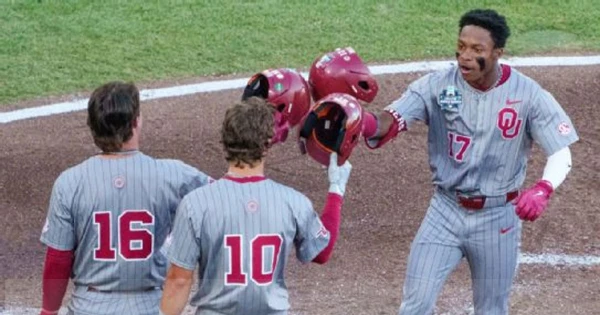
Oklahoma’s route to the finals has its own recent headline-making moments. The Sooners reached the final series in 2022, a run that ended in a sweep but showcased Oklahoma’s offensive power and postseason grit. The program owns two national championships — 1951 and 1994 — and while those banners are part of the school’s history, the contemporary identity of Oklahoma baseball has been reshaped by coach Skip Johnson’s tenure. Now in his ninth season, Johnson has presided over multiple deep postseason runs and a roster construction that emphasizes balanced hitting, pitching depth and opportunistic young pitchers.
This season’s Sooners displayed an enormous home-run output and resilience in late-season play. After a stretch without a weekend series win earlier in the year, Oklahoma caught fire in the NCAA tournament, beating highly ranked opponents on the road and in Omaha. The lineup’s recent power numbers and the emergence of freshmen arms in key relief and starting roles gave the team a dynamic, game-tested feel that mirrors their 2022 profile.
Both programs also share a coach-to-coach kinship. Forbes and Johnson have long histories as assistants and recruiters, often crossing paths while building rosters and traveling the same recruiting circuits. That familiarity adds an understated layer to the matchup: the teams are rivals on the field but colleagues in the business of college baseball, and their methods reflect similar values — preparation, respect for the opponent and a willingness to let young players thrive under pressure.
The stage in Omaha combines tradition with the sharp edges of modern postseason play. The CWS still retains something of that small-town travel-ball atmosphere, even as national television and big crowds amplify every moment. For players, coaches and fans, the experience remains a mix of celebration and precariousness. As several veterans and alumni attend this weekend, those who once left Omaha empty-handed now return as supporters, underscoring what these programs have built: enduring communities invested in the same prize.
Statistically, the series poses contrasting strengths. North Carolina has relied on timely pitching and situational hitting throughout the tournament, while Oklahoma has leaned on home-run power and a rotating cast of pitchers who have stepped up in high-leverage moments. The matchup will test both teams’ bullpen depth, in-game management and ability to execute under pressure. Small mistakes — defensive lapses or a poorly located pitch — can swing momentum instantly, just as they have in past Omaha drama.
Beyond tactics and numbers, the championship will be decided by intangibles often forged in postseason runs: composure under duress, the capacity to rebound after setbacks and the willingness to “play for the moment,” as UNC’s coaching staff puts it. Both rosters include players who have experienced postseason heartbreak and newcomers eager to stake their claim in program history. That blend of experience and youth creates a volatile, compelling dynamic for the title series.
The winner will claim more than a trophy. For North Carolina, a championship would erase decades of near-miss heartbreak and provide a first national baseball title to the program; for Oklahoma, it would reaffirm recent progress and add a modern-era banner to an otherwise sporadic championship history. In Omaha — where the margin for error is thin and every pitch counts — Sunday’s scoreboard will record the final verdict, but the memories and stories forged over these games will linger far longer.