


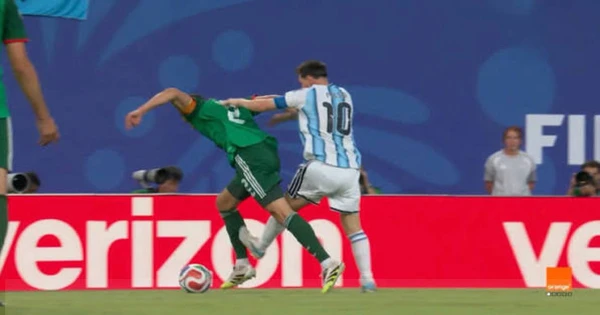
Algeria’s football federation has lodged a formal complaint with FIFA after a tackle by Argentina captain Lionel Messi during their World Cup opener in Kansas City, officials said. The complaint centers on contact to Algeria captain Aïssa Mandi’s right ankle and Achilles tendon in the 30th minute of the match, and reflects broader concerns from the North African team about several refereeing decisions that they say went unpunished.
The incident occurred on June 17 when Messi and Mandi challenged for possession. Algeria alleges that the studs of Messi’s boot struck Mandi’s lower leg, making direct contact with the ankle and Achilles area. Referee Szymon Marciniak, the Polish official who also refereed the 2022 World Cup final, awarded a free kick to Algeria at the time but did not take stronger disciplinary action, according to the complaint sent to FIFA’s Refereeing Committee.
Algeria’s governing body described the contact as severe enough to merit review and sanctions under FIFA’s disciplinary and refereeing protocols. In its submission, the federation asked FIFA to examine video replays and match reports and to consider further measures consistent with established rules on player safety and dangerous play.

Sources familiar with the federation’s decision, speaking on condition of anonymity because they were not authorized to discuss the matter publicly, told media outlets that while Algeria had several disputes about refereeing across the match, the Messi tackle was the primary focus of the official protest. Those sources indicated the federation believes the tackle endangered Mandi and deserved stronger action by the referee at the time.
Algeria also raised two other incidents from the match involving what it termed elbow strikes by Argentina players. The federation’s complaint reportedly points to separate moments when wing-back Hachim Mastour and midfielder Ibrahim Maaza — identified in Algerian reports as players targeted during the game — were struck in the face and upper body by opponents’ elbows. Algeria asked FIFA to review those plays as potential violent conduct or reckless behavior that escaped proper sanction during the match.
Coach Vahid Halilhodžić did not publicly call for disciplinary action at his postgame press conference, but he expressed clear frustration with how certain situations were handled during the match. “There is no point commenting on imagined situations, but everyone saw what happened,” he said, reflecting the team’s sense that officials missed critical moments.
FIFA had not issued a public response to Algeria’s complaint at the time of reporting. The organization’s disciplinary and refereeing committees typically review formal complaints by examining the official match report, referee statements, and available video footage, and they may open a disciplinary case if warranted. Sanctions, if applied, can include warnings, fines, suspensions, or retrospective disciplinary measures against players found to have committed violent conduct.
Referee Marciniak’s decision to issue only a free kick has drawn attention because modern protocols and retrospective review procedures allow governing bodies to take action after a match when match officials did not. FIFA has used video evidence and disciplinaries in past tournaments to sanction tackles and off-the-ball incidents that were missed or underpunished in real time.
Player safety remains a central concern in elite football, and FIFA’s regulations emphasize protection of the players’ limbs and heads from dangerous challenges. Tackles that involve studs-up contact or that target vulnerable areas such as the ankle or Achilles tendon can cause serious injury and are often subject to postmatch review.
Algeria’s formal protest comes amid heightened scrutiny of refereeing in major international tournaments. Supporters of postmatch reviews argue that disciplinary systems should act as a backstop when on-field officials miss incidents, while critics caution that overreliance on retrospective punishment can undermine the referee’s authority and the flow of the game. FIFA’s disciplinary committee must balance these considerations when deciding whether to act.
The case places a spotlight on how governing bodies handle high-profile players and incidents. When players of global stature are involved, federations often press for visible, transparent processes to ensure fairness and player protection. Algeria’s complaint signals that national associations will continue to use formal channels to pursue what they see as unresolved or underaddressed on-field misconduct.
As the review process unfolds, the football world will watch whether FIFA pursues a formal investigation and whether any disciplinary measures are imposed on Messi or other Argentina players in connection with the reported incidents. The outcome will reflect FIFA’s current approach to player safety, the use of video evidence after matches, and enforcement of laws intended to protect athletes at the highest level of international competition.