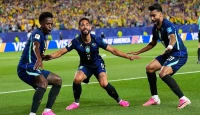



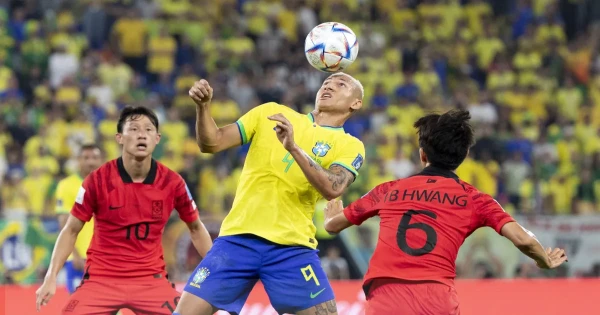
Brazil recorded a 3-0 victory over Haiti, but the scoreline offered a misleading impression of the team’s performance. What once was the seamless, artistic brand of Brazilian football—quick passing, fluid movement and a relentless attacking rhythm—was largely absent. Supporters who grew up watching the golden eras, especially since the 1970 World Cup, found the display flat and lacking the individual brilliance and collective spark that traditionally define Brazil.
The midfield provided the clearest evidence of the team’s problems. Brazil did not exhibit the aggressive regain-and-attack mentality that has long been part of its identity. Instead of pressing to recover possession and launching instantaneous counterattacks, Brazil’s midfield play looked ordinary and unhurried. Passes that should have sped play forward were often misplaced, and attempts to build pressure felt tepid rather than urgent. That lack of midfield dominance made the team predictable and easier to manage, even against a lesser-ranked opponent.
Individual creativity also felt in short supply. After a shaky outing against Morocco, fans and analysts noted a scarcity of players capable of decisive, match-changing skill on their own. That trend continued in the Haiti game. Brazil created chances, and stars such as Vinícius Júnior threatened the penalty area, but finishing was inconsistent. The opener had a degree of fortune to it, and other opportunities went begging, exposing a recurring problem: the team is not consistently converting control into clear scoring threats.

The second half underscored another concern: Brazil’s trademark attacking hunger appeared muted. Long-range shots and spontaneous breakthroughs from outside the box—features that have defined some of Brazil’s most memorable attacks—were largely missing. When a match lacks goals, normally there is a sense of urgency and sharper movement; in this case, that edge was not present. Against Haiti, a side that Brazil would be expected to dominate decisively, the absence of what commentators often call a “killer instinct” left the performance feeling underwhelming.
Errors in defense contributed to the uneasy impression. Defender Gabriel’s aimless long passes and weak clearances were uncharacteristic for a squad with Brazil’s pedigree. These moments created avoidable tension and suggested lapses in concentration and technique that could be costly against stronger opposition.
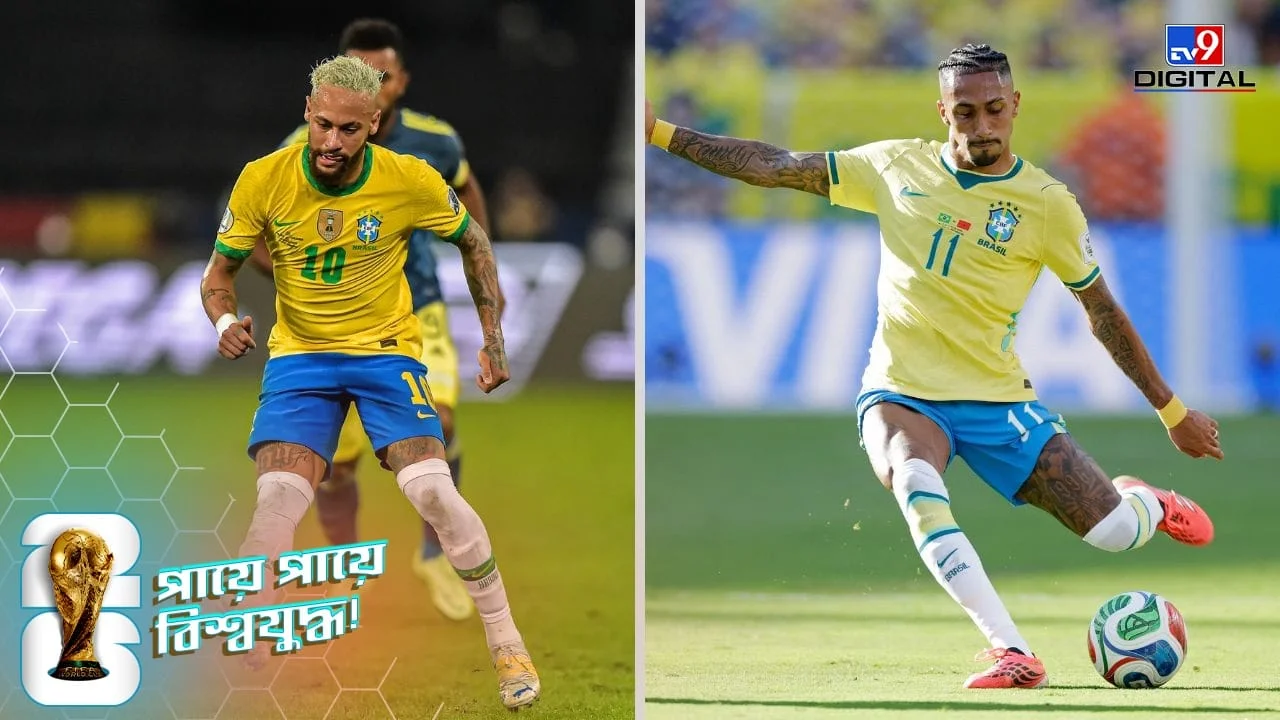
Tactical questions also surfaced. Coach Carlo Ancelotti’s substitutions and game management raised eyebrows when certain players were removed midmatch without clear explanation. The substitution of a player like Raphinha in the middle of the game appeared abrupt, and there was no evident sign of injury to justify the change. While Ancelotti is widely regarded as a shrewd tactician, observers did not detect decisive tactical adjustments that elevated Brazil’s play during this match. The team’s overall approach looked vague rather than strategically refined.
Comparisons with other elite national teams sharpen the critique. Teams such as Argentina and France showcased convincing, identity-driven football in their opening games, drawing praise for their cohesion and tactical clarity. Brazil’s first match—against Morocco—and this subsequent win over Haiti have not yet produced the same type of unmistakable footballing magic. Morocco’s intensity and pressing in their earlier match exposed Brazil’s early vulnerabilities, and while many expected a return to form against Haiti, the performance fell short of historical standards.
Some may contest the criticism by pointing to the three-goal margin as clear evidence of Brazil’s quality. A win is a win, and advancing in a tournament ultimately matters more than style alone. Yet measuring Brazil only by results risks missing how the team will fare when matched against top-tier opposition later in the competition. The global affection for Brazil stems not merely from match outcomes but from a recognizable style: aesthetic ball control, inventive passing and an ability to break opponents down with attacking flair. If those elements do not reemerge, doubts will persist about Brazil’s prospects in the tournament’s decisive rounds.
This match also raises questions about squad depth and individual impact. While the roster contains technically proficient players, there is a perceived shortage of performers who can consistently lift the team through moments of pressure. For Brazil to advance to semifinals or finals—as many supporters expect—both tactical clarity and individual moments of invention will be necessary.
In summary, Brazil’s 3-0 victory over Haiti provided points but not reassurance. The team’s performance lacked the technical artistry, midfield control and attacking urgency fans associate with Brazil, and defensive lapses and unclear tactical moves compounded concerns. Winning against a lower-ranked opponent masked deeper issues that could become more consequential against stronger teams. Restoring the trademark Brazilian flair and tactical coherence will be essential if the team intends to meet the high expectations that accompany the yellow shirt.