In a thrilling yet bitterly disputed FIFA World Cup round of 16 encounter, defending champions Argentina mounted a remarkable late comeback to defeat Egypt 3-2. The match, played under intense scrutiny, highlighted the high stakes of knockout football and reignited debates over video assistant referee technology. Egypt took an early lead and appeared poised for a historic upset before Argentina rallied with goals from key players, including contributions orchestrated by Lionel Messi.
The game unfolded with Egypt showing impressive organization and attacking threat. They opened the scoring with a well-executed header from Yasser Ibrahim. Momentum stayed with the Pharaohs as Mostafa Ziko, often called Zico, delivered what many viewed as a moment of brilliance on the counterattack. His clinical finish seemed to put Egypt firmly in control at 2-0.
However, celebrations were short-lived. VAR intervened shortly after Ziko's strike in the 58th or 62nd minute, depending on reports, disallowing the goal due to a foul committed earlier in the build-up phase. This decision shifted the psychological balance and allowed Argentina breathing room to regroup.

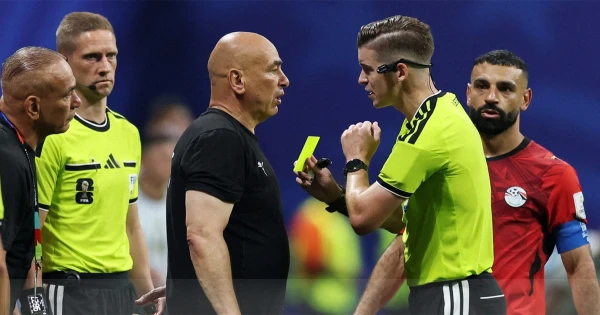
Egyptian players and coaching staff reacted strongly to the call. Coach Hossam Hassan expressed deep frustration, suggesting external pressures might have influenced officiating to keep major teams like Argentina in the tournament. Forward Mostafa Ziko publicly criticized the referee, describing the decisions as unfair and detrimental to his nation's efforts.
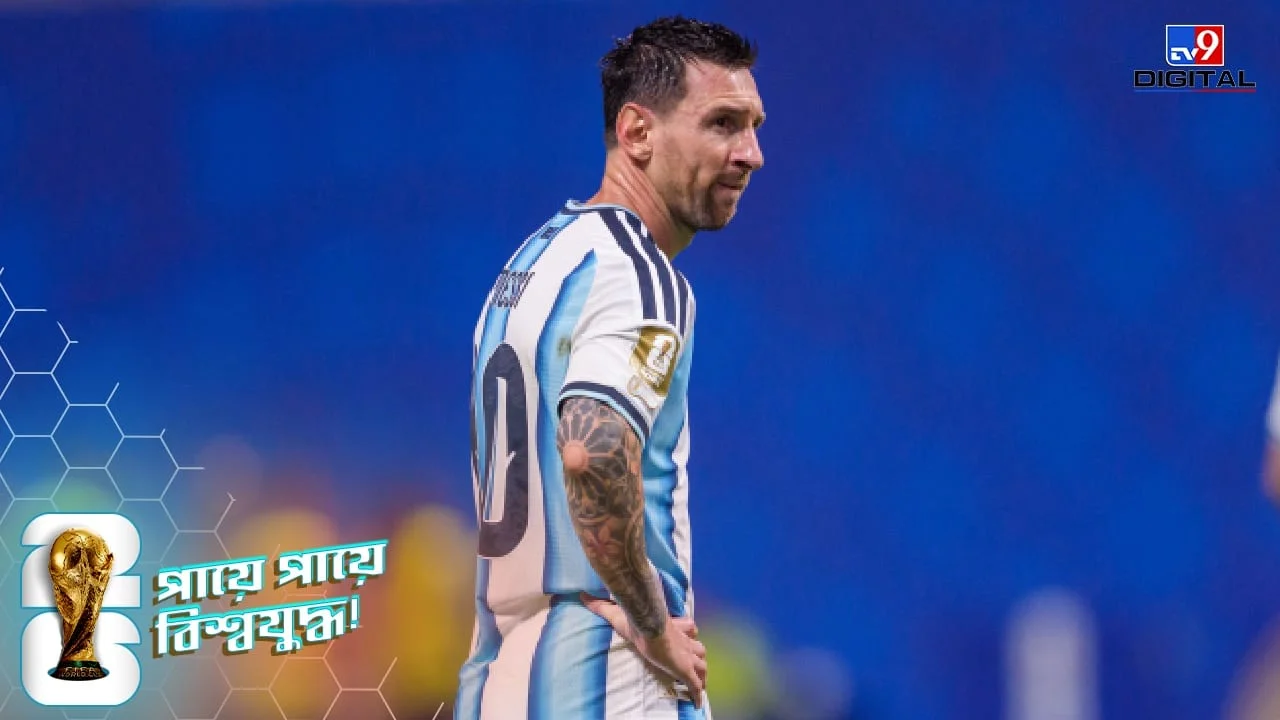
As the match progressed into its closing stages, Argentina capitalized on their experience and attacking quality. Lionel Messi played a pivotal role, assisting one goal and contributing to the equalizer. The team demonstrated resilience, characteristic of champions, by dominating possession and creating multiple scoring opportunities.
The winning goal came from Enzo Fernández in stoppage time, sparking wild celebrations among Argentine fans and players. Yet this moment also drew complaints from Egypt, who believed fouls in the penalty area during the build-up should have resulted in a penalty or halted play.
Referee François Letexier, a French official, faced significant backlash. Argentina had reportedly objected to his appointment beforehand, citing past encounters. Despite the tension, match officials stood by their calls after thorough reviews.
To understand the technical aspects, experts examined the key incidents closely. In the case of Egypt's disallowed goal, the VAR review identified a clear foul by Egyptian defender Marwan Attia on Argentina's Lisandro Martínez. Attia was seen pulling Martínez's jersey while also placing his foot over the opponent's, actions deemed to constitute a foul under the laws of the game.
This infringement occurred in the build-up, giving Egypt an unfair advantage in transitioning to attack. According to standard protocols, goals resulting directly from such fouls in the same attacking phase must be disallowed. The referee, after reviewing the monitor, correctly overturned the on-field decision.
The foul took place outside the immediate penalty area but within the same sequence of play. This distinction matters because persistent advantage from an earlier offense invalidates subsequent goals. Officials determined the contact was not incidental but impactful enough to disrupt Argentina's defensive shape.
On the other side, Argentina's third goal prompted two separate penalty appeals from Egypt. One involved Alexis Mac Allister tugging the jersey of Hamdi Fathi, causing him to fall. Another featured Mohamed Salah claiming contact from Julián Álvarez inside the box.
VAR reviewed both incidents extensively. In the Mac Allister case, the pull was brief and did not significantly impede Fathi's ability to play the ball or influence the attack. Officials concluded it fell short of warranting a penalty kick.
For Salah's appeal, the contact with Álvarez appeared minimal, resulting from natural momentum and foot positioning during a high-speed challenge. Salah went to ground, but replays showed no clear, deliberate foul. VAR upheld the referee's on-field decision of no penalty.
These situations created a complex "double jeopardy" scenario for officials. Reversing one call could have cascading effects, potentially awarding a penalty to Egypt while nullifying Argentina's goal in the same phase. The consistency in applying the laws helped maintain the flow of the match.
Experienced analysts, including former elite referees, supported the VAR interventions. They emphasized that clear and obvious errors were absent in the final calls. Shirt pulls of short duration without material effect rarely meet the threshold for penalties in modern interpretations.
The difference between the two main fouls lay in their nature and impact. Attia's actions combined jersey pull with foot contact, directly enabling the goal-scoring opportunity. In contrast, the later incidents involved lighter, contestable contact typical in physical duels between elite players.
This World Cup match underscored the evolution of officiating with technology. VAR aims to correct clear mistakes while preserving the game's rhythm. However, its use in knockout stages often amplifies emotions when expectations run high for underdogs like Egypt.
Egypt's performance earned praise despite the result. They matched Argentina for long periods, showcasing tactical discipline and counter-attacking prowess. Players like Mohamed Salah and Ziko demonstrated world-class talent, giving the defending champions genuine problems.
For Argentina, the victory reinforced their status as contenders. Messi's leadership and the squad's never-say-die attitude proved decisive. The team advanced to face Switzerland, carrying momentum from a hard-fought battle that tested their championship pedigree.
Broader implications extend to the tournament's integrity and fan perceptions. Controversial decisions fuel discussions about referee neutrality, especially in matches involving global superstars. FIFA continues refining VAR protocols to balance accuracy with minimal disruption.
Football enthusiasts worldwide followed the drama closely. Social media erupted with opinions from both sides, reflecting passionate support for national teams. Such moments define World Cups, blending sporting excellence with human emotion.
As the competition progresses, both teams reflect on lessons learned. Egypt exits with pride in their display but disappointment over perceived injustices. Argentina advances, focused on defending their title amid ongoing challenges.
The match serves as a reminder of football's unpredictability and the critical role of rules enforcement. While debates persist, the outcome stands based on the officials' final judgments after exhaustive review. Future games will undoubtedly bring similar scrutiny as the World Cup unfolds.
In conclusion, Argentina's 3-2 triumph over Egypt encapsulated the beauty and controversy of high-level international football. It highlighted resilience, technical brilliance, and the ongoing challenges of fair officiating in the modern era. Fans eagerly await the next chapter as the tournament intensifies.