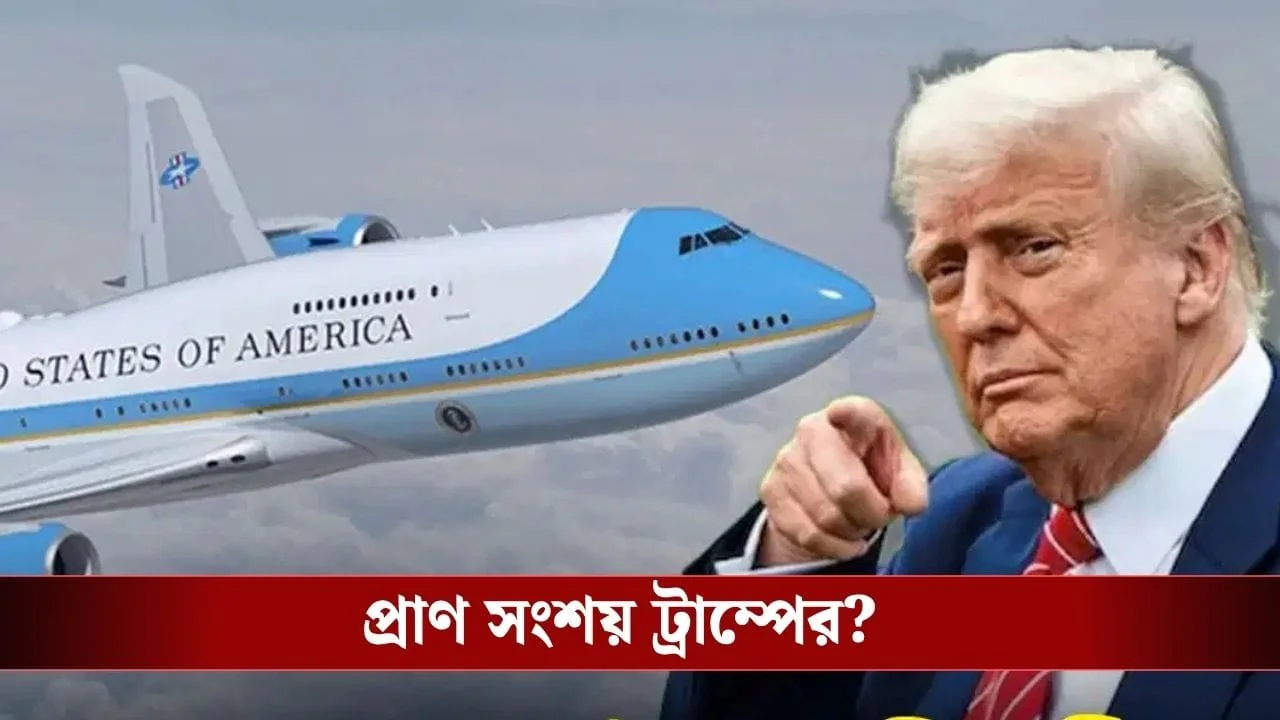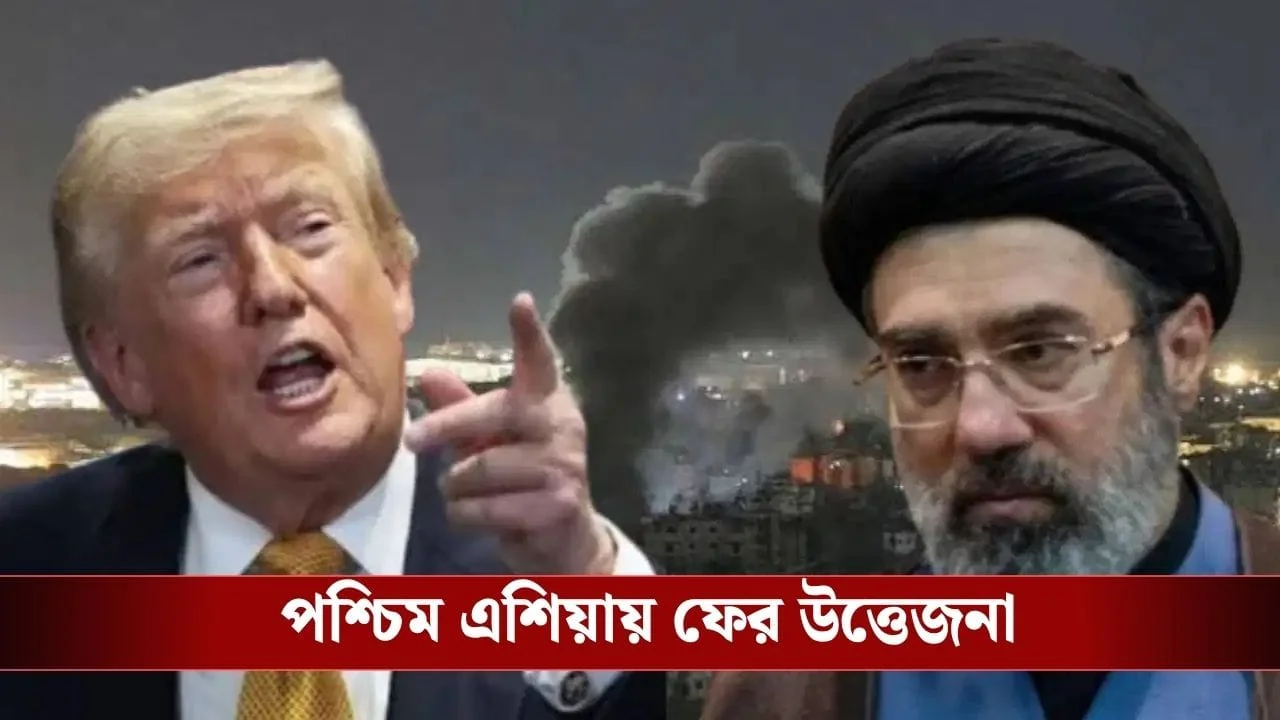
Tehran and Washington: Tensions in West Asia have sharply escalated as the United States launched multiple airstrikes in Iran just after midnight on Wednesday, hours after President Donald Trump declared an end to the ceasefire with Iran. The strikes targeted over 80 military sites in southern Iran, causing explosions that shook several cities, including near the strategic Strait of Hormuz where commercial vessels were also attacked. In retaliation, Iran reportedly launched missile attacks on US military bases in Bahrain and Kuwait, with Iranian state media claiming fires broke out at the US Navy's Fifth Fleet headquarters in Bahrain.
Kuwait's military confirmed they intercepted missiles and drone attacks, indicating heightened military alert in the region. This escalation comes amid the seven-day funeral proceedings of Iran's former Supreme Leader Ayatollah Ali Khamenei, whose burial is scheduled for today. President Trump had earlier warned of intensified strikes against Iran, stating, "I believe this deal is finished.
I don't want to make any more deals with them. They are bad, horrible people. Their leadership is horrible people." The White House justified the recent US actions as a response to attacks on three commercial ships near the Strait of Hormuz on Tuesday, aiming to secure maritime navigation.

The Islamic Revolutionary Guard Corps (IRGC) of Iran had previously warned of a devastating response to any US aggression. Iranian media described the US military bases targeted as "terrorist hubs," underscoring the severity of the confrontation. The unfolding conflict raises concerns about a broader regional war with significant implications for global oil trade and international security.
Analysts warn that the continuation of hostilities could destabilize the already volatile Middle East, disrupt global energy supplies, and force international actors to reassess diplomatic and military strategies in the region.